Enterprise AI
RAG applications, prompt engineering, automated LLM evaluation and front-end delivery at CGI SmartLab.
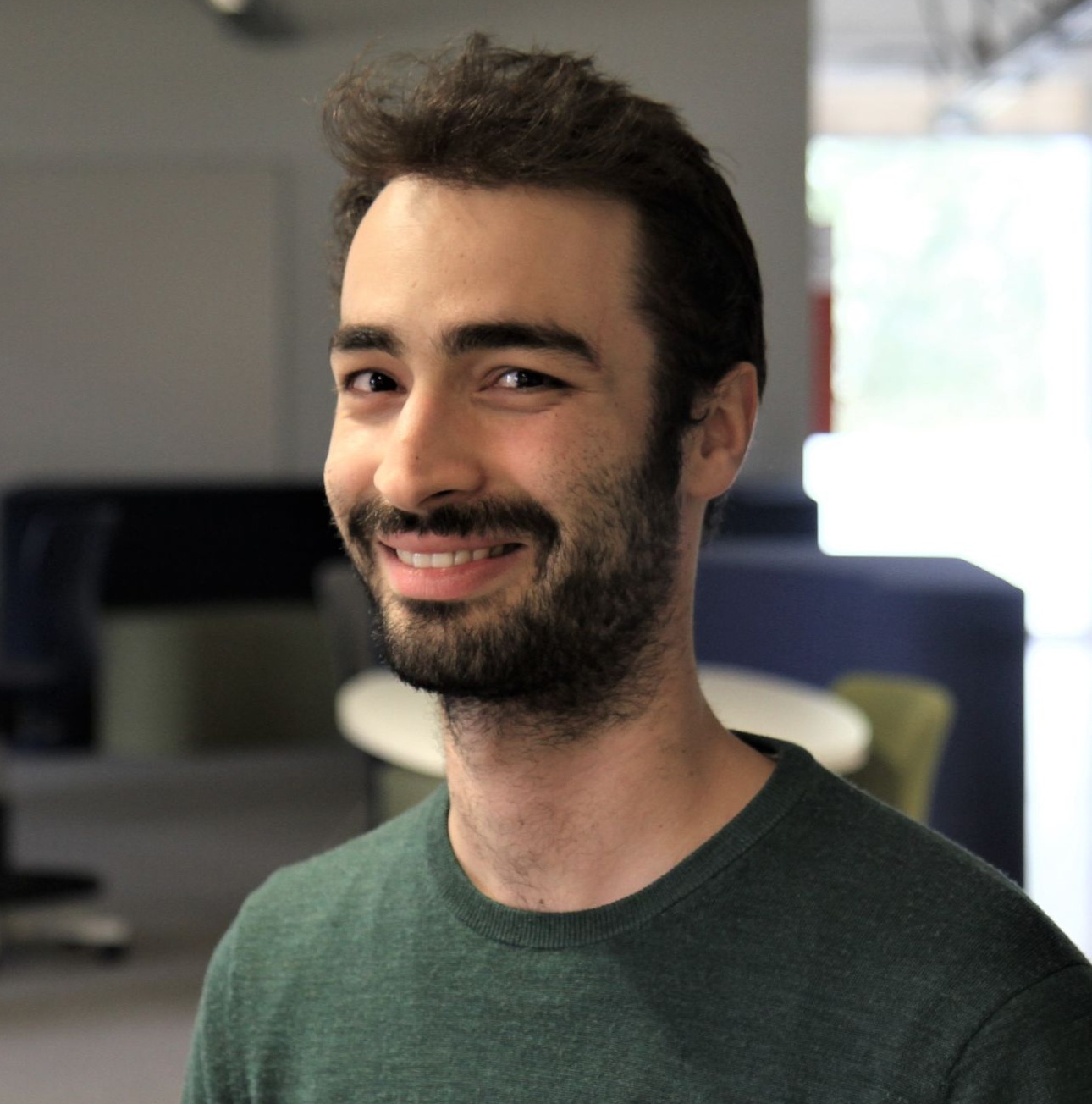
Klest Dedja
Interpretable Machine Learning, time-series forecasting, enterprise software and AI applications.
RAG applications, prompt engineering, automated LLM evaluation and front-end delivery at CGI SmartLab.
Time-series modelling, validation and uncertainty estimation with conformal predictions at Predikt.ai.
Extended explainability toolboxes to time-to-event data with partial information (censoring), and created novel explainability toolbox for Random Forest predictions (Bellatrex).
I currently a member of CGI’s SmartLab**: a team that develops AI solutions, going from prototypes to enterprise-grade solutions. I am contributing in several components of enterprise AI applications: retrieval and system-prompt behaviour, automated evaluation of LLM alignment, and front-end features with React. In practice, I am working as an end-to-end developer, refining the art of writing good software and deepening my understanding of software architecture.
Previously, as an AI Research Engineer at Predikt.ai, I developed and benchmarked forecasting algorithms tailored to the data and business needs, with particular attention to regularisation methods to improve model accuracy. I also implemented conformal prediction methods to estimate uncertainty.
Trained as a mathematician, I gradually moved towards applied mathematics, with the ambition to find elegant solutions to practical problems. I later obtained a PhD from KU Leuven, where I developed explainable-AI and active-learning methods for survival analysis under the supervision of Celine Vens. I had the opportunity to collaborate with clinical and scientific teams; I enjoyed turning theoretical ideas into working methods and software, and working with people from different disciplines to make sense of their data.
My Google Scholar profile and dissertation contain the full research record.
An explainable-AI method and maintained Python package for extracting representative rules from Random Forest ensembles. The research was evaluated across 89 datasets and published in IEEE Access.
A compact approach to feature attribution for time-to-event predictions, focused on explanations over selected time intervals.
A computer-vision workflow for reproducible, high-throughput measurement of fibre directionality and dispersion in biomedical images.
See the full selected-work page →
I am a mathematician by training, a multilingual European, and an enthusiastic language learner. I enjoy mentoring and explaining complex concepts to peers and younger professionals, and I enjoy collaborating across technical and domain boundaries.